
Supply provides liquidity. Borrow consumes it against collateral.
Follow lenders, borrowers, collateral and interest through the simplest DeFi lending position.
So far, we focused mostly on the trading side of DeFi.
We covered DEXs, swap mechanics, liquidity pools, impermanent loss, LP strategies, position tracking, rebalancing, and exit planning.
That was necessary. Because for most people, DeFi first looks like a place where you swap tokens and chase yield.
But DeFi is not just a swapping system.
It is also a credit market.
And that distinction changes how you should think about everything.
Once a system lets users supply assets, borrow against collateral, and sets interest rates based on demand, it stops being just an exchange layer. It becomes a financial system.
In this article, we break down the foundation of that system.We are not in the liquidation topic yet. That is the next article.
Here, the goal is simpler.
What does supply mean?
What does borrow mean?
Where does interest come from?
Why is collateral required?
And why would someone borrow if they already own crypto?
We build the mental model first.

Lesson mapNavigate this lessonExplore all 21 sections
See the model before the details.
Use the flow, the supply-and-borrow explorer and the comparison table as a map while you read.
- 01Supplier deposits
- 02Protocol pool
- 03Borrower posts collateral
- 04Borrower draws liquidity
- 05Interest returns to suppliers
Adjust the controls to begin.
| Role | Provides | Receives | Main risk |
|---|---|---|---|
| Supplier | Liquidity | Variable supply yield | Contract, borrower system and asset risk |
| Borrower | Collateral | Borrowed asset | Interest and liquidation |
| Protocol | Rules and accounting | Reserve or fee share | Code, oracle and governance |
| Liquidator | Debt repayment when eligible | Collateral plus incentive | Execution competition |
What Does “Lending” Actually Mean?
At its simplest, lending means giving something to someone to use for a period of time and getting it back later.
There is a small but important distinction:
- borrow means taking a loan
- lend / lending means giving a loan
So if a system has lending, it means someone is making their capital available for others to use.
Real Life Example
The simplest example is this.
A friend asks you for $1,000.
You give it to them, and they return it later.
That is lending.
A more financial example.
You deposit money in a bank. The bank does not leave that money idle. It lends it out to other people as loans. You receive interest in return.
Same logic.
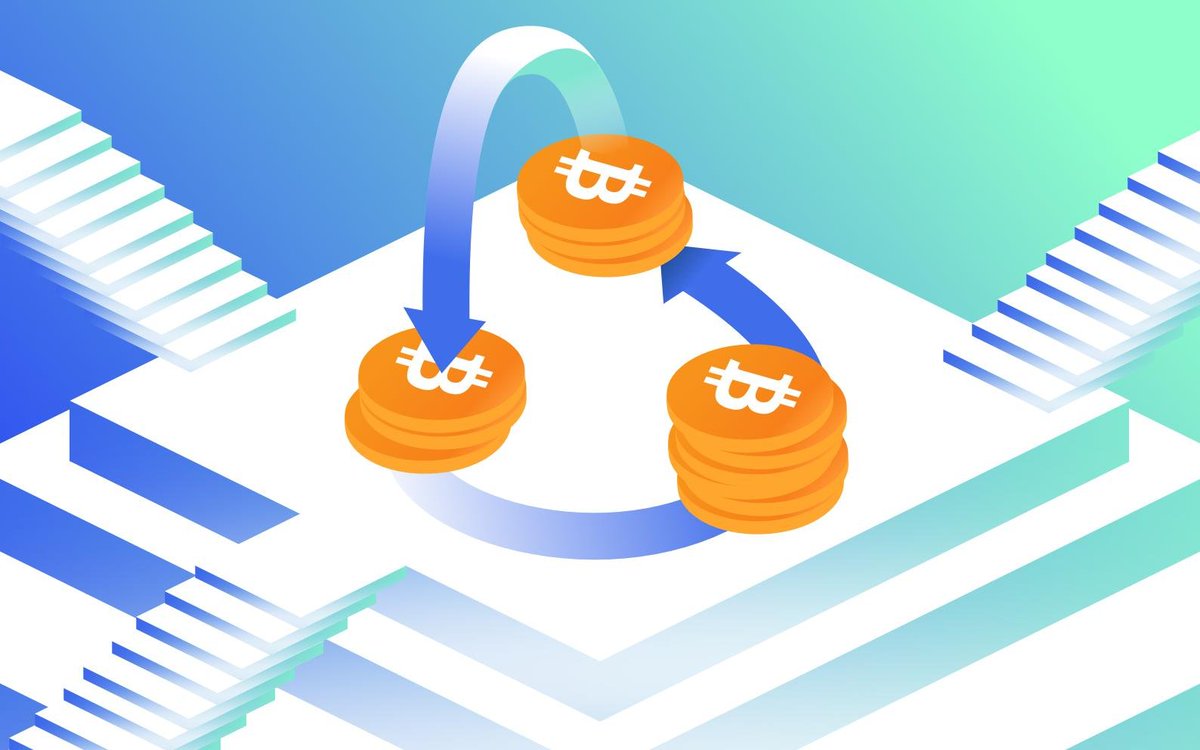
So in everyday terms, lending looks like this:
I have capital I am not using right now. Someone else uses it for a while. I earn something in return.
What Is the Crypto Version?
In crypto, the logic stays the same, but the middleman changes.
Instead of a bank, you have a protocol.
Imagine you hold $10,000 worth of USDC.
You supply it to a lending protocol.
The protocol makes that USDC available to borrowers.
Someone borrows it and pays interest.
You, as the supplier, earn part of that interest.
So the structure becomes:
- you supply capital to the system
- someone else borrows it with collateral
- the protocol enforces the rules
- interest comes from the borrower
- yield goes to the supplier
A useful way to think about it:
Lending is a system that lets idle capital be used by someone else.
In DeFi, this is not a personal agreement. It is rule based and enforced by smart contracts.
Why This Matters
Beginners usually make two assumptions.
First:
“Nice, passive income.”
Second:
“Why would I borrow if I already have crypto?”
Both miss the point.
When you supply, you are not putting money into a savings account.
When you borrow, you are not taking a traditional unsecured loan.
And the yield you see does not appear from nowhere.
There is always a counterparty.
There is always a market structure.
There is always a transfer of risk.
Lending matters because it is one of the core engines of DeFi.
Stablecoin strategies rely on it.
Leverage relies on it.
Looping strategies rely on it.
Liquidations happen inside it.
Even if you never borrow, a lot of DeFi risk and yield comes from this layer.
If swaps are one pillar, credit is the other.
The Core Mental Model
A lending protocol is a market where some users supply assets and others borrow them.
That is the simple version.
A more accurate version:
A lending protocol is an on chain system that connects capital providers with capital users, while protecting the providers through collateral rules.
That last part is key.
Without collateral, the system would rely on trust.
DeFi tries to minimize trust.
In traditional finance, lending depends on identity, contracts, and legal enforcement.
In DeFi, the system does not know who you are.
So instead of trusting you, it protects the system structurally.
That protection usually comes from overcollateralization.
In simple terms:
You usually have to lock more value than you want to borrow.
So borrowing in DeFi is not “getting money from nothing”.
It is unlocking liquidity from assets you already own.
What Does “Supply” Mean?
Supplying means depositing an asset into a protocol so others can borrow it.
You are not lending to a specific person.
You are not negotiating terms.
You are adding capital to a shared on chain market.
From your perspective:
“I place this asset into the system, and if there is demand to borrow it, I earn yield.”
Important point:
Supply does not create yield by itself.
Yield comes from someone else paying to use that capital.
If no one wants to borrow, yield is low.
If demand rises, yield can rise.
So when you supply USDC or ETH, you are providing liquidity to a credit market, not a DEX.
Different system. Different risk.
What Does “Borrow” Mean?
Borrowing means locking collateral and taking another asset out of the system.
That borrowed asset is yours to use.
You can hold it, swap it, or deploy it elsewhere.
Then you repay it, usually with interest.
The confusion starts here.
“If I already have crypto, why borrow?”
Because borrowing lets you access liquidity without selling your main asset.
That is the core use case.
Imagine you hold ETH.
You believe in its long term upside, so you do not want to sell.
But you also want stablecoins.
You have two options.
Sell ETH.
Or keep ETH and borrow against it.
Selling reduces exposure.
Borrowing keeps exposure but adds debt.
That is the tradeoff.
So borrowing is not just “I need cash”.
It is often:
“I do not want to sell, but I want access to part of the value.”
Side by Side Example
Real Life
You have $50,000 sitting idle.
You deposit it in a bank.
The bank lends it out.
Borrowers pay interest.
You earn a share.
Crypto
You have $10,000 in USDC.
You supply it to a protocol.
Someone borrows it with collateral.
They pay interest.
You earn a share.
The difference:
In real life, the bank sits in the middle.
In crypto, the protocol does.
But the core idea is the same.

A Simple DeFi Example
You hold $10,000 worth of ETH.
Choose an option to begin.
You do not want to sell it.
But you want $3,000 in stablecoins.
Instead of selling, you deposit ETH as collateral and borrow stablecoins.
Now:
- you still have ETH exposure
- you have stablecoins to use
- you owe the protocol
- your ETH is locked
This is not free money.
It is structured liquidity.
You gain flexibility, but also risk.
And that risk becomes critical once collateral health comes into play.
Why Is Collateral Required?
Because the system cannot trust you.
No credit score.
No legal enforcement.
No collections process.
So it protects lenders by design.
That is why DeFi lending is usually overcollateralized.
If you want to borrow $1,000, you may need to lock more than $1,000.
Why?
Because prices move.
Without a buffer, small moves would break the system.
Collateral is not there to restrict you.
It is there to keep the system alive.
Who Sets Collateral Rules?
Short answer: the protocol.
But that is not the full picture.
These rules usually come from three layers.
1. Protocol Design
The team defines base rules in the smart contracts.
For example:
- which assets are accepted
- how much can be borrowed
- how value is calculated
These are enforced automatically.
2. Risk Parameters
Each asset has different settings.
Safer assets may allow higher borrowing power.
Riskier assets get stricter limits.
These parameters define how close you can get to risk.
And they can change.
3. Governance
Many protocols update these parameters through governance.
Token holders, DAO participants, or risk teams can adjust them.
For example, during high volatility:
- collateral factors may be reduced
- borrow limits may shrink
This is how the system adapts.
Where Does Interest Come From?
Interest comes from borrowers.
Simple as that.
Borrowers pay to use capital.
Suppliers earn from that demand.
Rates can change.
Incentives can boost returns temporarily.
But the base is always demand.
No demand, no yield.
So the right question is not:
“What is the APY?”
It is:
“Why does this yield exist?”
Why Do People Borrow?
It looks strange at first.
Why lock assets and pay interest?
Common reasons:
1. Avoid selling
Keep long term exposure while accessing liquidity.
2. Deploy strategies
Use borrowed capital elsewhere.
3. Short term liquidity
Access funds without closing positions.
4. Leverage
Increase exposure. Higher risk.
Borrowing is usually about capital efficiency, not consumption.
Supply Is Not “Safe Savings”
Supply feels calm, but it is not risk free.
You face:
- protocol risk
- asset risk
- demand risk
Even stablecoins carry risks like depeg or issuer control.
So supply is not safe. It is just a different shape of risk.
Borrow Is Not “Extra Cash”
Borrowing creates a liability.
Many users treat borrowed funds like profit.
That is dangerous.
Debt has cost, time, and conditions.
If the position works, borrowing feels efficient.
If it does not, it accelerates losses.
Spot exposure hurts.
Debt forces decisions.

What Holds This System Together?
Three components:
- suppliers
- borrowers
- collateral rules
Suppliers bring capital.
Borrowers use capital.
Collateral rules keep the system solvent.
Everything else builds on that.
Technical Risk vs Economic Risk
Technical risk is system failure.
Economic risk is the system working, but your position failing.
Both exist.
Confusing them leads to bad decisions.

Quick Checklist
If you cannot answer clearly, you are not ready yet.
Core Insight
DeFi lending is not a savings account.
It is not a simple loan.
It is an overcollateralized on chain credit system.
Supply provides capital.
Borrow unlocks liquidity.
Yield comes from demand.
Risk comes from structure.
Once you see that, everything else starts to click.
One Minute Summary For Lazies
Lending means giving capital so others can use it. In DeFi, you supply assets to a protocol and earn from borrowers who pay interest. Borrowing lets you access liquidity without selling your main asset, but it adds debt and risk. Supply is not risk free, and borrowing is not free money. Lending improves capital efficiency, but it also introduces fragility if used carelessly.
Can you explain the model?
Is supplied capital the same as an insured savings deposit?
No. It is capital exposed to smart contracts, market structure and protocol rules.
Why is collateral required?
Permissionless protocols cannot rely on identity or traditional credit enforcement, so collateral secures the debt.
What’s Next?
Now that the model is clear, the next question is unavoidable.
How does the system decide if your position is still safe?
That leads us to:
LTV, Health Factor, and Liquidation Risk
Because lending looks calm until collateral moves against debt.
Continue learningPart 14: LTV, Health Factor, and Liquidation Risk →Originally published on X · 2026-04-16
 Post on X
 Telegram